

Pour les pros. Pour les aventuriers.
Pour tous ceux qui veulent aller haut.
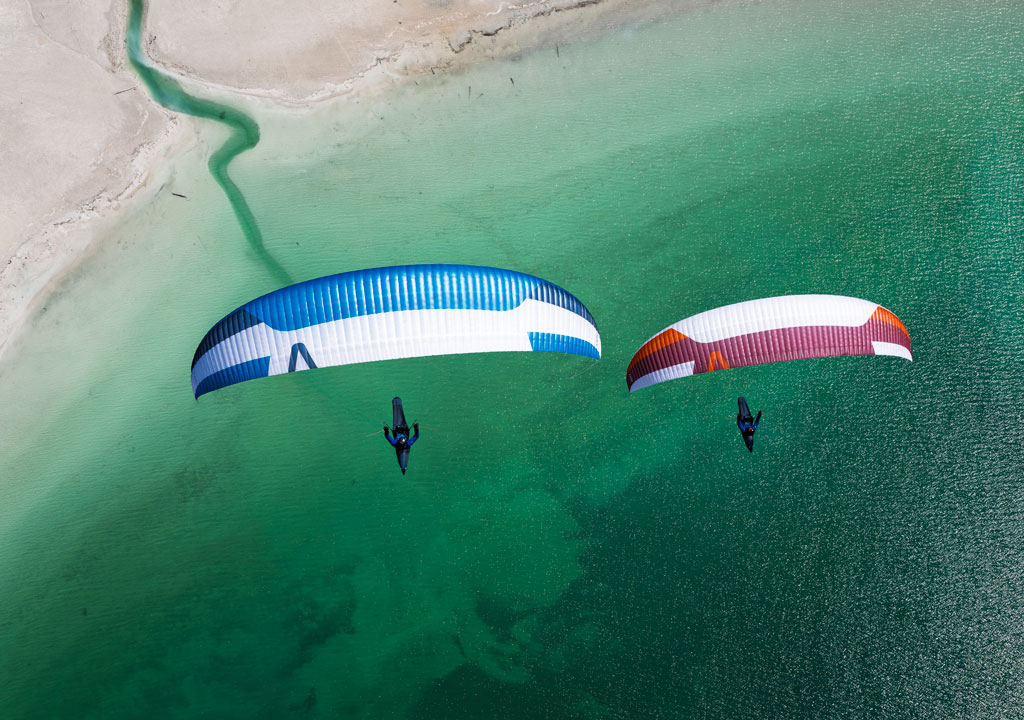
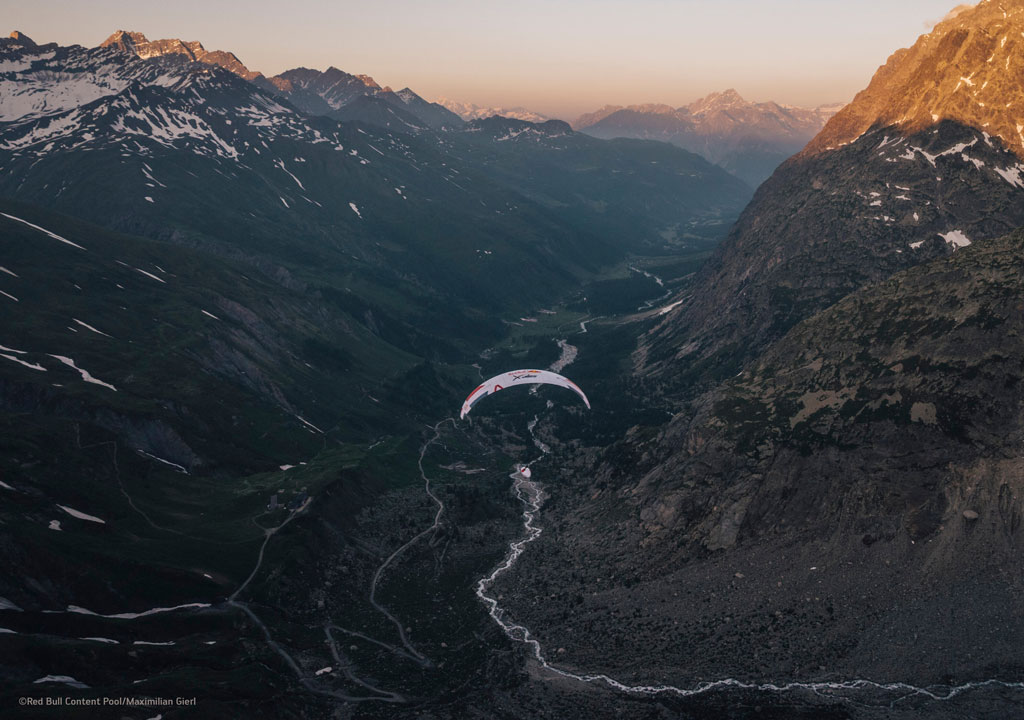
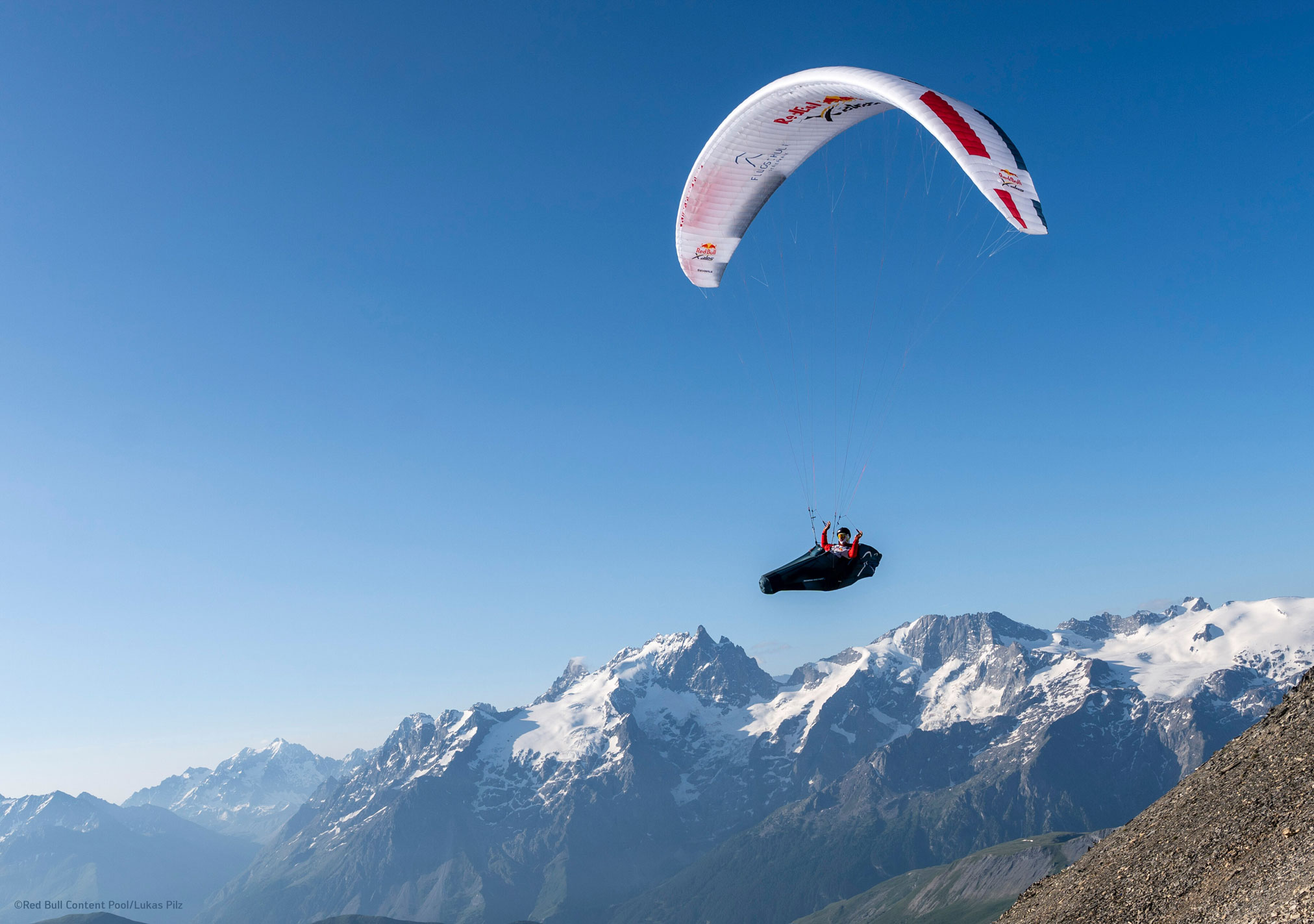
La X-ALPS6 est plus qu’un simple parapente : c’est un outil haute performance destiné aux pilotes qui doivent pouvoir compter sur chaque détail. Conçue pour relever les défis extrêmes de la Red Bull X-Alps, elle séduit par ses excellentes performances sur de longues distances, son contrôle précis dans des conditions difficiles et son décollage fiable, même sur les terrains les plus accidentés.
Grâce à sa construction ultra-légère et à son encombrement réduit, la X-ALPS6 est la compagne idéale pour les étapes intensives de randonnée et de vol, lorsque chaque gramme compte et qu’une efficacité maximale est requise. Cette voile est synonyme de pure volonté de performance. Conçue pour les pilotes qui voient grand.
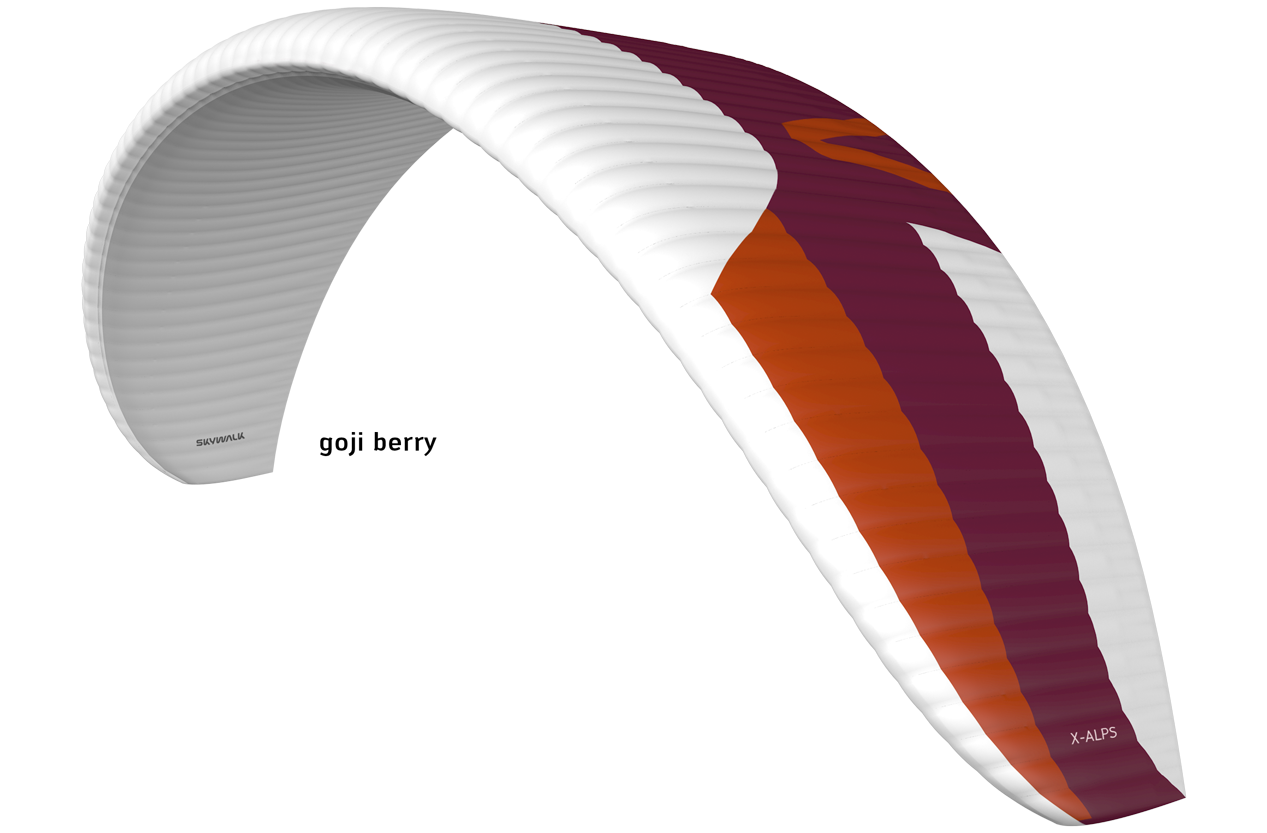
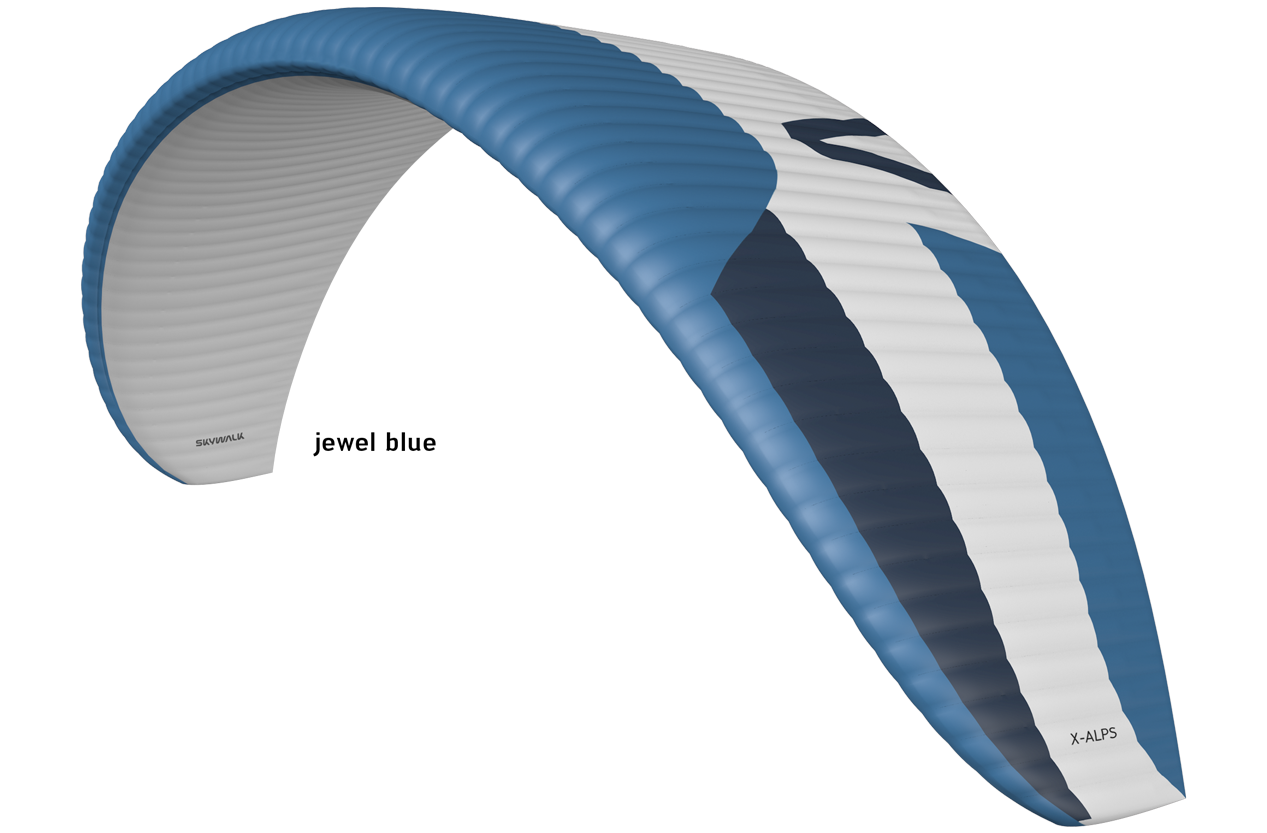
Conçu pour la course de randonnée et de vol la plus difficile au monde.
Prêt pour ta prochaine aventure.
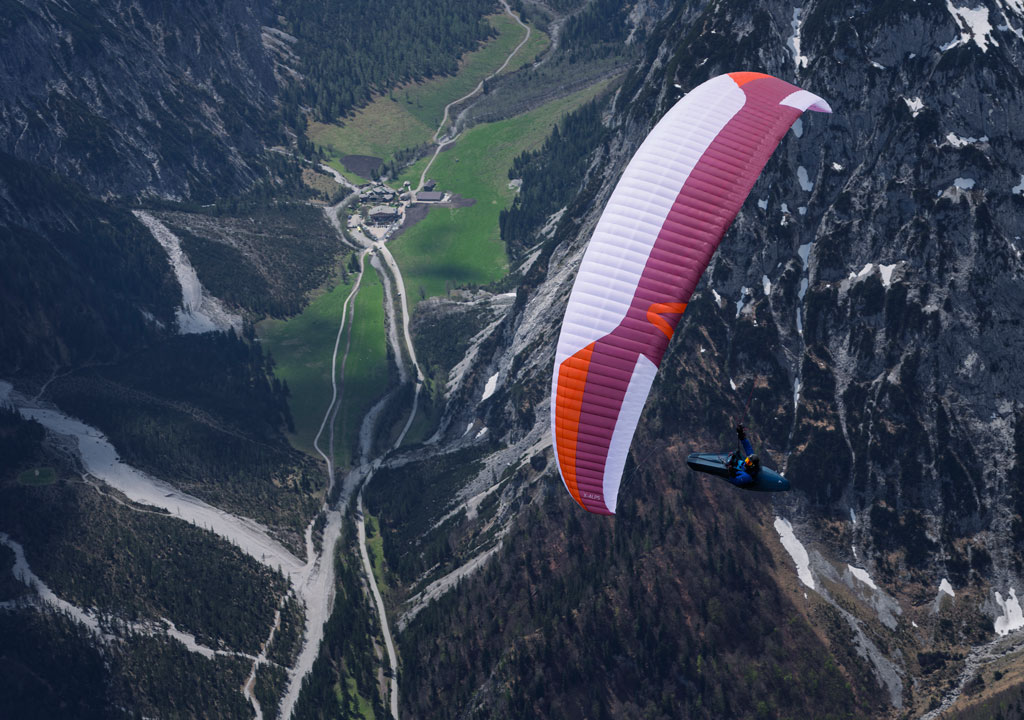
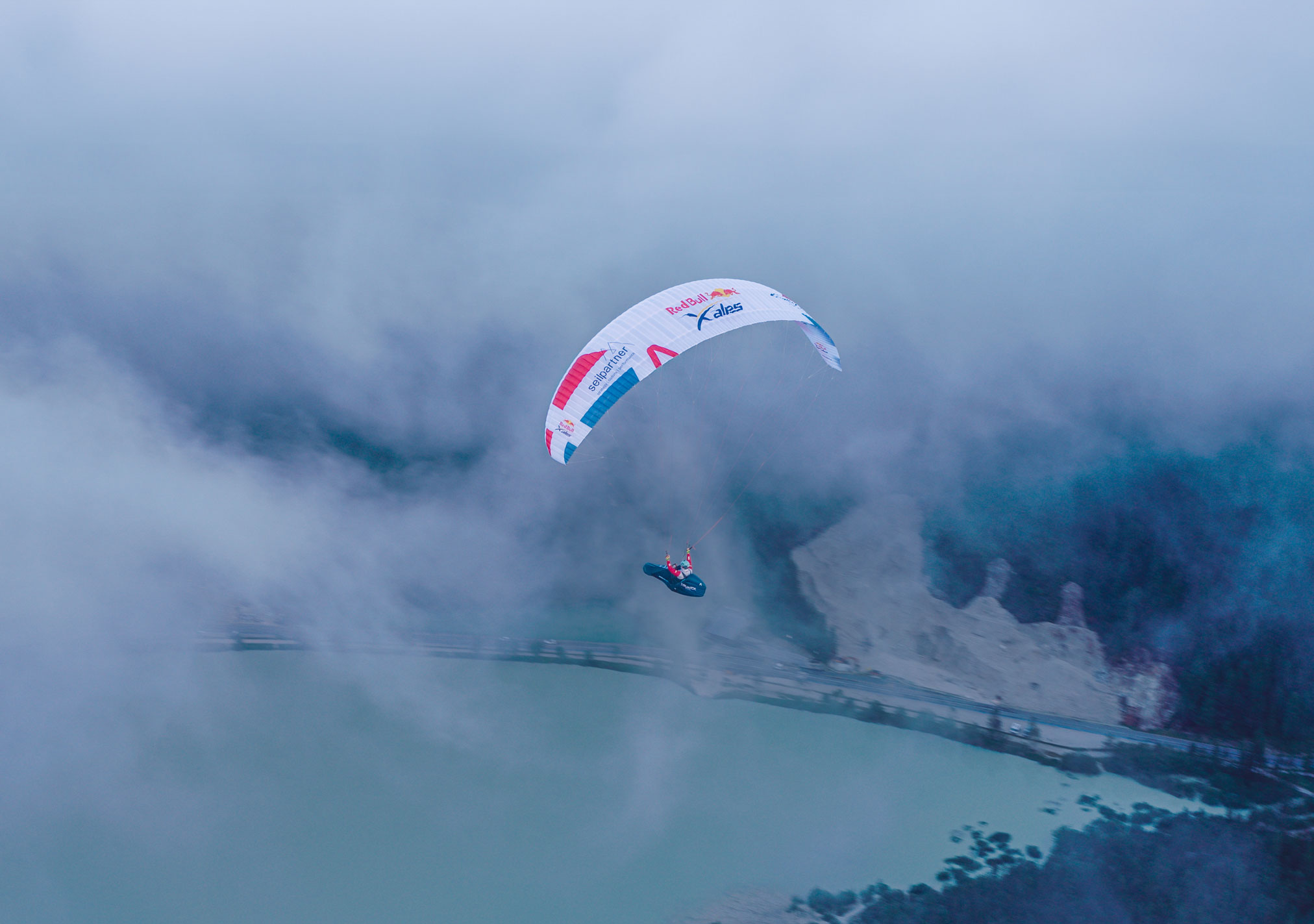
Conçu pour la course de randonnée et de vol la plus difficile au monde.
Prêt pour ta prochaine aventure.
Caractéristiques de vol
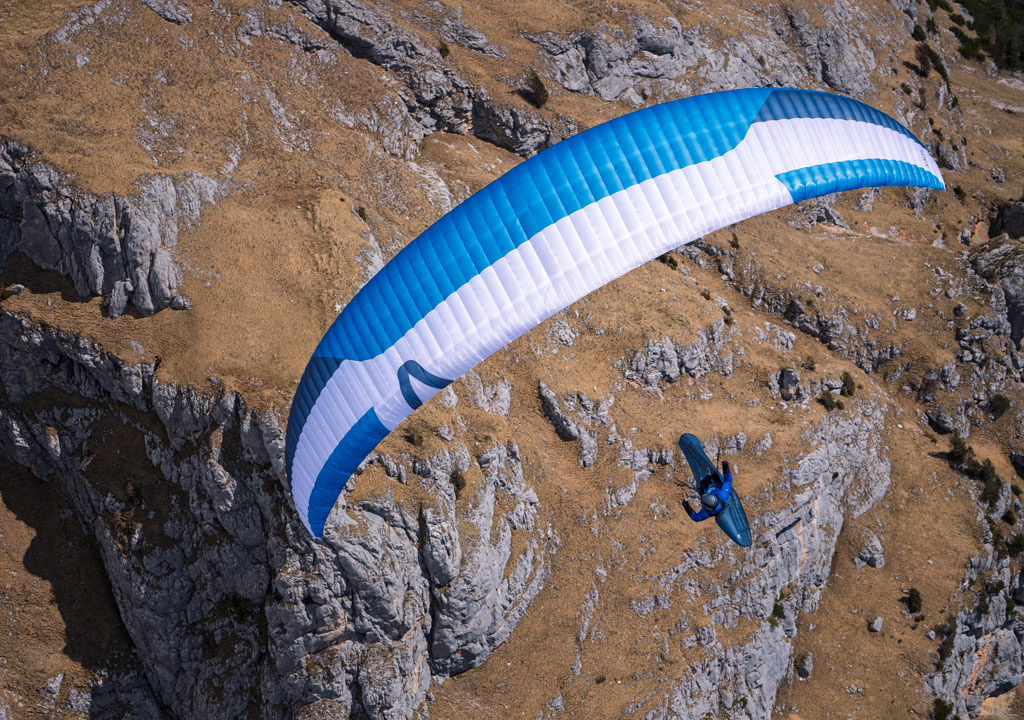
La X-ALPS6 impressionne par son comportement au décollage exceptionnellement facile pour sa catégorie. La voile ultralégère se déploie proprement au-dessus du pilote avec une impulsion minimale. Le décollage est ainsi fiable, même dans des conditions difficiles.
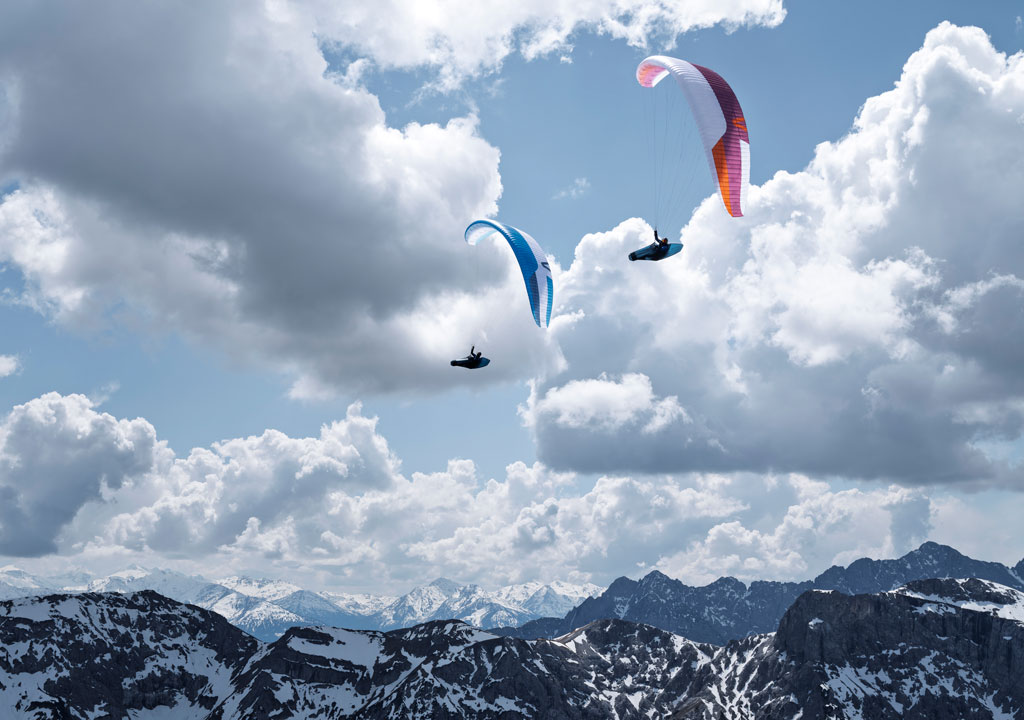
C’est dans les thermiques qu’elle révèle son côté ludique : la faible pression sur les commandes, la réactivité directe et le centrage sans effort rappellent le maniement familier d’une SAGE – sensible, intuitive, précise.
Mais lorsque l’accélérateur entre en jeu, la X-ALPS6 déploie tout son potentiel, dans la pure tradition de la POISON. Grâce à sa grande stabilité intrinsèque, l’aile glisse efficacement à travers les masses d’air en mouvement, transforme les turbulences en altitude et reste toujours parfaitement contrôlable. La commande B permet également un vol actif et économe en énergie, idéal pour les longs passages de glisse où l’efficacité est primordiale.
Le profil nouvellement développé, les techniques de fabrication ultramodernes et une répartition optimisée des tensions apportent une puissance nettement supérieure et une vitesse maximale nettement plus élevée – exactement la réserve sur laquelle les pilotes ambitieux de Hike&Fly et X-Alps peuvent compter dans les moments critiques.
Prêt à décoller sur tous les terrains, souverain dans toutes les masses d’air.

DEUX LIGNES AVEC PILOTAGE AUX B
Réduit le nombre de suspentes et la traînée qui en résulte. Permet un style de vol rapide et efficace. Avantages: plus de performance, un contrôle total en vol accéléré et une meilleure vue d’ensemble au décollage.
SYSTÈME SMART LINK
Le code couleur des coutures des élévateurs permet de s’assurer qu’ils sont connectés correctement et sans être inversés ni vrillés.
Rouge = gauche ; bleu = droite

RIGID FOIL
Plastique souple dans le bord d‘attaque, poids total réduit, préforme le profil, meilleure répartition de la charge. Améliore le décollage et les performances en vol.

SHARK NOSE
Assure une pression d’air constante en conditions turbulentes et en vol accéléré; trainée réduite, meilleure pénétration et performances augmentées.
MINI RIBS
Alvéoles doublées dans le bord de fuite, profil plus stable, trainée réduite, performance augmentée.

3D-SHAPING
Renfort additionnel, tenue en forme plus précise, trainée réduite, performances augmentées.
| Size | 75+ | 85+ | 95+ | 105+ |
|---|---|---|---|---|
| Cells | 73 | 73 | 73 | 73 |
| Area flat (m²) | 20.4 | 21.48 | 22.6 | 23.7 |
| Area projected (m²) | 17.63 | 18.56 | 19.53 | 20.48 |
| Wingspan flat (m) | 11.56 | 11.86 | 12.16 | 12.46 |
| Wingspan projected (m) | 9.54 | 9.79 | 10.04 | 10.29 |
| Aspect ratio flat | 6.6 | 6.6 | 6.6 | 6.6 |
| Aspect ratio projected | 5.18 | 5.18 | 5.18 | 5.18 |
| Weight (kg) | 3.45 | 3.6 | 3.75 | 3.8 |
| Certified weight range (kg) | 55 - 78 | 70 - 88 | 75 - 98 | 85 - 108 |
| Homologation | LTF/EN D | LTF/EN D | LTF/EN D | LTF/EN D |
| Upper sail | Dominico 10D |
| Bottom sail | Dominico 10D |
| Profiles | Porcher Skytex 27 hard |
| Diagonals | Porcher Skytex 27 hard |
| Straps | Porcher Skytex 27 hard |
| Main lines | Edelrid 8001U - 340/190/130; Liros PPSLS 125 |
| Middle lines | Edelrid 8001U - 190/130/90/70/50 |
| Top lines | Edelrid 8001U - 90/70/50; 9200-30 |
| Main brake line | Liros DFLP 200/32; Edelrid 8001U - 190 |
| Middle brake lines | Edelrid 8001U - 50, 9200-30 |
| Top brake lines | Edelrid 9200-30 |
| Risers | Cousin Freres 7 mm Gurtband |
À quoi dois-je faire attention lorsque j'utilise le X-ALPS6 ?
La X-ALPS6 a été optimisée en termes de légèreté, tant au niveau de sa conception que du mélange des matériaux. Afin de profiter le plus longtemps possible de cette voile et d’obtenir des performances maximales, nous recommandons de l’exposer le moins possible aux contraintes mécaniques et aux figures de vol extrêmes.
Quels sont les avantages offerts par la commande B ?
Outre la faible résistance des lignes, le système de commande B est le principal avantage de la technologie 2 lignes. Il permet un style de vol très efficace et rapide en phase d’accélération. L’effort requis est nettement moindre par rapport aux ailes 3 lignes.
Que dois-je prendre en compte avec la commande B ?
En règle générale, les commandes situées sur les élévateurs B ne peuvent pas remplacer les freins. C’est pourquoi nous recommandons de n’utiliser les commandes B qu’en vol accéléré. Les commandes B peuvent toutefois également être utilisées à vitesse de trim. Il convient alors de n’effectuer que de brèves corrections, sinon le risque de décrochage est important en raison du décrochage aérodynamique !
Les joncs nécessitent-ils une attention particulière ou une méthode de pliage spécifique ?
En raison de la rigidité des joncs, il faut veiller, lors du pliage, à ce que les joncs ne se plient pas, ne se déforment pas et ne se tordent pas. Nous recommandons donc d’utiliser le SOFTBAG et le tube de pliage fournis.
Vous trouverez les instructions de pliage recommandées dans le PRO GUIDE ou dans la video.
Ce n’est qu’avec un pliage soigné que la SAGE conservera ses performances maximales et conservera ses qualités sur le long terme. Si la SAGE n’est pas utilisée pendant une longue période, nous recommandons de la ranger dans le SOFTBAG dans le sens de la longueur et de ne pas la plier.
L'usure des parapentes à voile légère est-elle plus importante que celle des parapentes traditionnels ?
Les voiles légères sont plus fines que les voiles de parapente traditionnelles et donc moins résistantes aux contraintes mécaniques. Cela signifie qu’il faut faire davantage attention aux objets pointus, aux pierres, aux buissons, etc. lors du déploiement de la voile. Tout contact inutile avec le sol doit être évité. En respectant ces mesures de précaution, tu profiteras aussi longtemps d’une voile légère que d’un parapente traditionnel.
Après combien d'heures de vol faut-il régler la X-ALPS6 ?
Avec seulement deux niveaux de suspentes, les modifications du trim ont un impact plus important sur le comportement en vol. Étant donné que la modification du trim est plus importante au début, nous recommandons de vérifier le trim après les 25 premières heures de vol. Ensuite, cela dépend de la manière dont vous entretenez votre parapente, de la fréquence à laquelle vous volez et des endroits où vous volez. À titre indicatif, nous recommandons de vérifier le trim au moins une fois par an.
Quelles sont les finesses, les vitesses bras hauts et accélérées maximales ?
Nous savons que ces données sont intéressantes pour vous en tant que pilote, mais nous choisissons de ne pas les publier pour les raisons suivantes :
1) Les données de performance dépendent fortement de la traînée du pilote et sont donc liées à sa position dans sa sellette. La différence entre des sellettes et des positions assises favorables ou défavorables d’un point de vue aérodynamique peut jouer sur la finesse finale.
2) La performance augmente selon la taille du parapente. Une grande taille de parapente sera toujours plus performante que le même modèle dans une taille plus petite. Ainsi, une question sur les performances d’un parapente est toujours une question de taille.
3) Il n’y a pas de méthode normalisée pour tester les performances des parapentes. Par exemple, la vitesse varie avec l’altitude et les différentes pressions atmosphériques associées, mais aussi avec le poids total.
Cela signifie qu’il n’y a tout simplement pas la vitesse ou la finesse qui permettrait une comparaison sérieuse avec une autre voile. Les données de performance dépendent de la sellette, de la taille de la voile, de la masse d’air et du poids total.
Puis-je faire des grandes oreilles sur la X-ALPS6 ?
Oui, il est possible de faire des grandes oreilles par la suspente basse BIII. Vous trouverez des instructions détaillées dans le PRO GUIDE.
Comment calculer mon PTV ?
Le PTV est calculé en ajoutant le poids du pilote, vêtements compris, au poids de l’équipement. L’équipement est composé de la sellette, du parachute de secours, du parapente lui-même, des instruments de vol et des autres équipements que vous pouvez porter (ex. sac à dos, etc.).
Est-ce que je peux raccourcir les suspentes de frein de ma voile skywalk ?
Changer la longueur des suspentes de frein peut avoir un effet négatif sur les caractéristiques de vol et le comportement en vol extrême. Le parapente a besoin d’un peu plus de garde lors de vol accéléré, sinon le parapente pourrait être freiné involontairement, ce qui entraînerait une perte de performance. Lors de manœuvres de vol extrêmes, raccourcir trop les suspentes de frein peut entraîner des complications lors de la récupération après une fermeture, un décrochage parachutal, etc.
Ai-je le droit d'apporter des modifications à ma voile skywalk ?
Non, car le parapente est certifié tel qu’il vous est livré. Rien ne doit être modifié.
Ton pack X-ALPS6
-
- 1x SOFTBAG
- 1x Packing Tube
- 1x Basic Guide
- 1x Multifunktionstuch
- 1x Klebesegel