

Un ADN bien connu. Une nouvelle technologie.
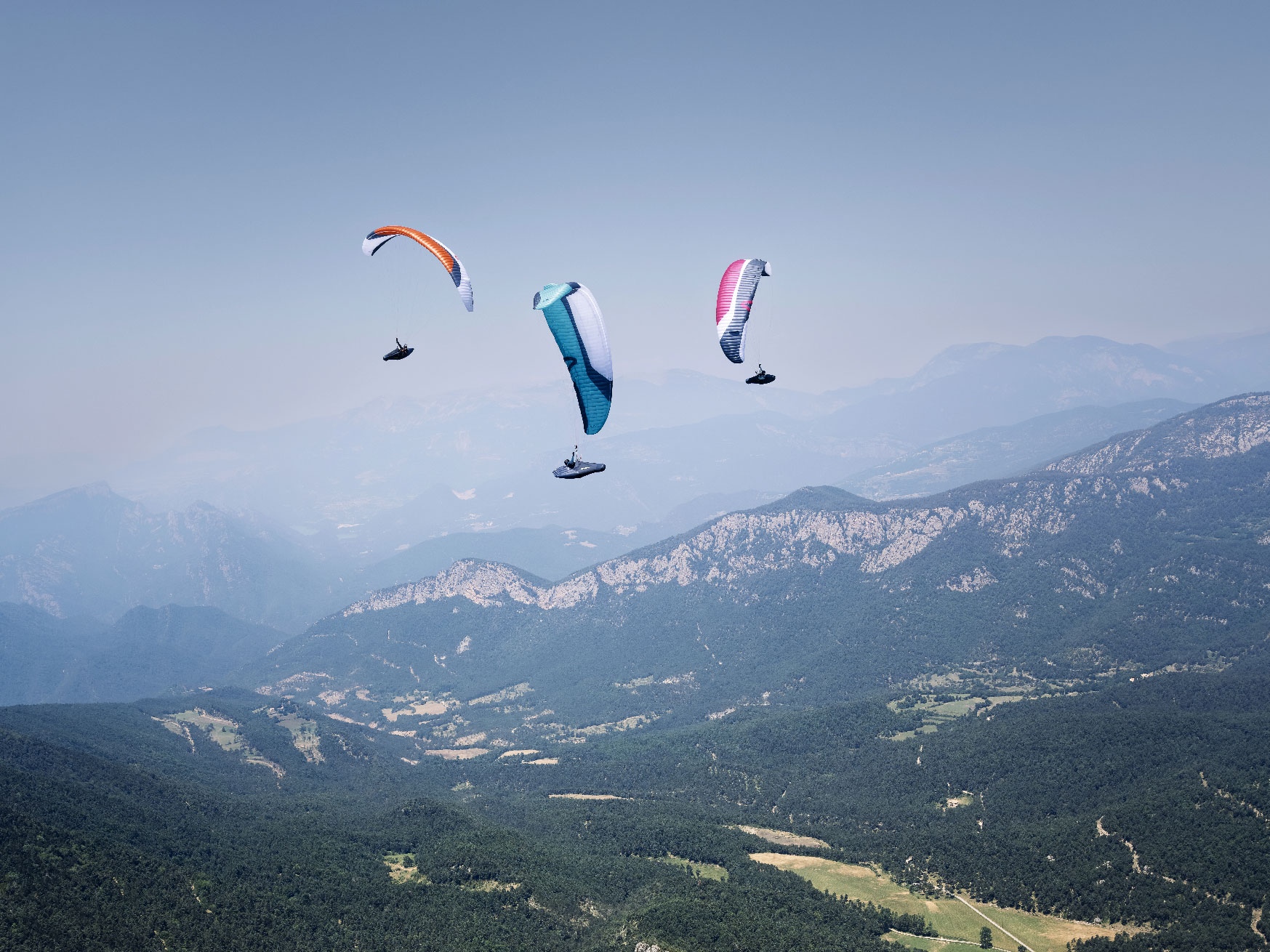
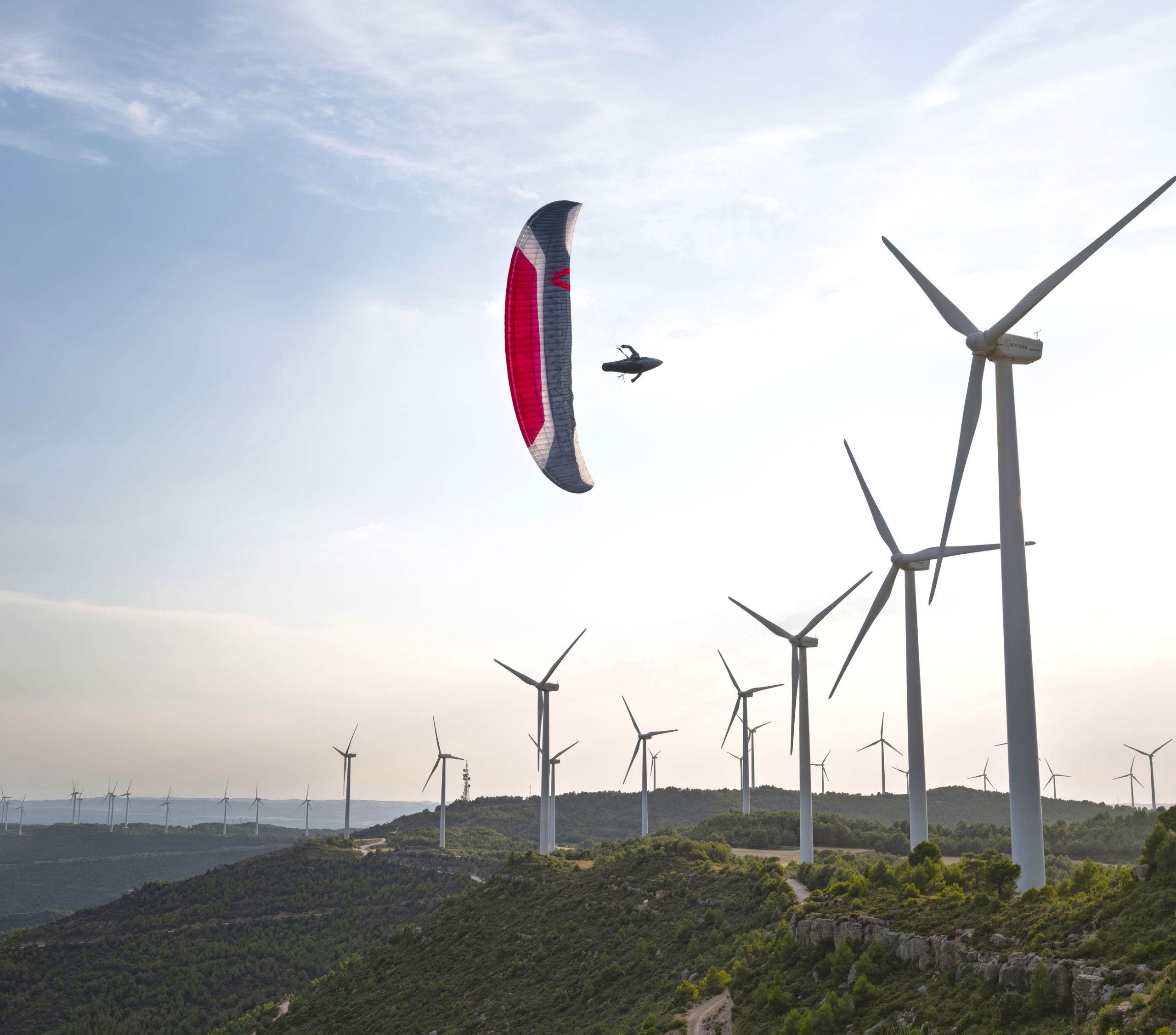
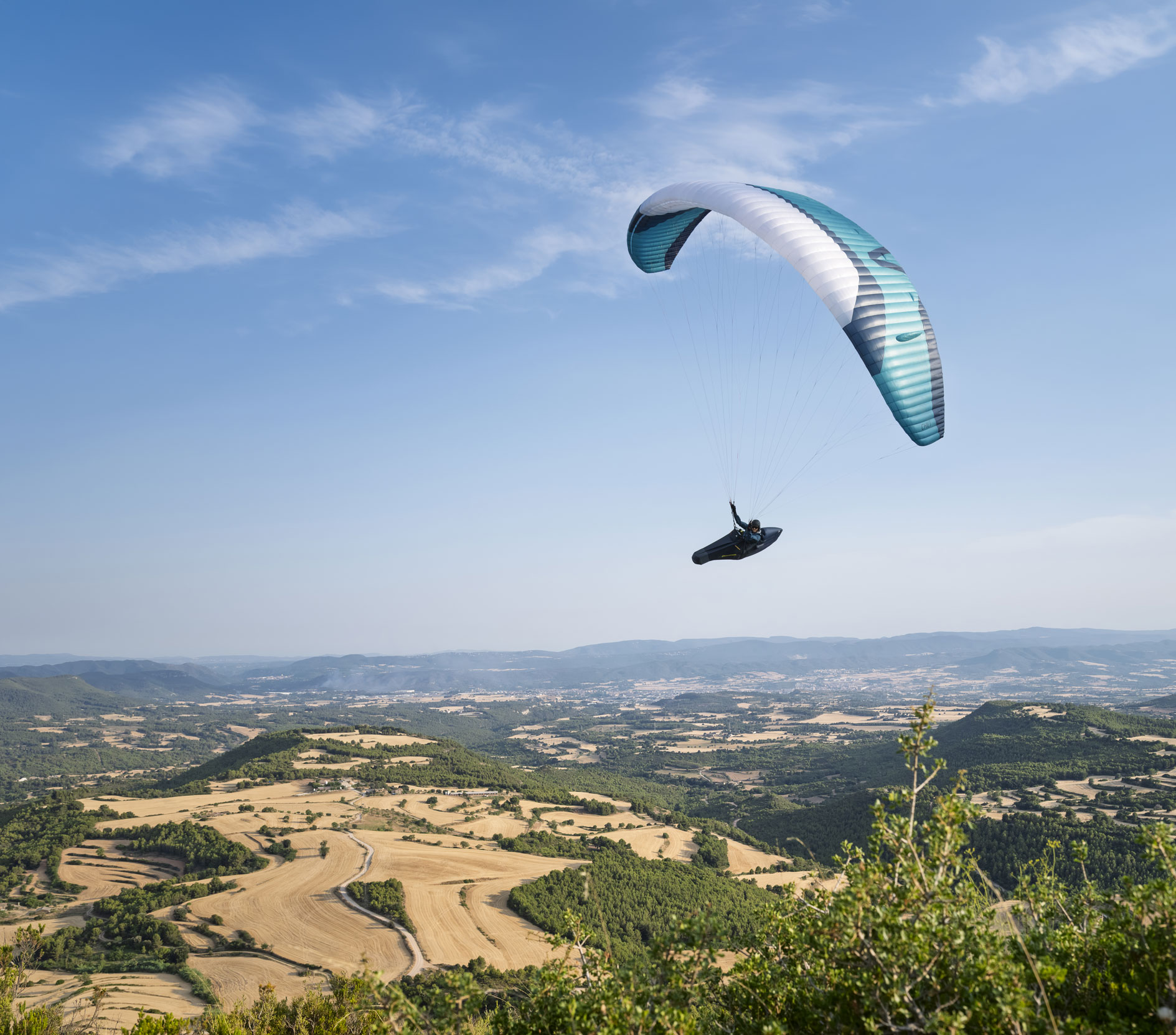
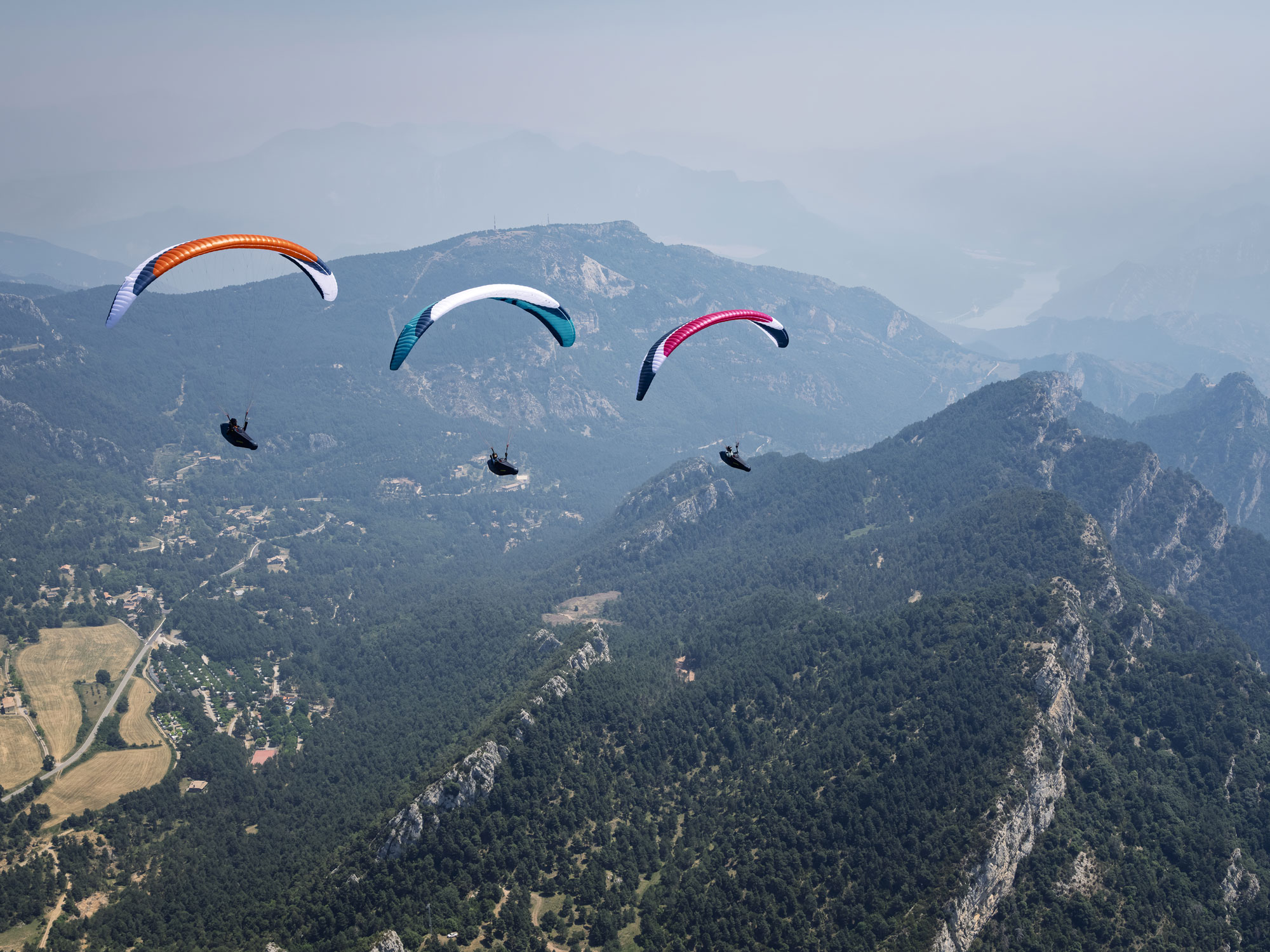
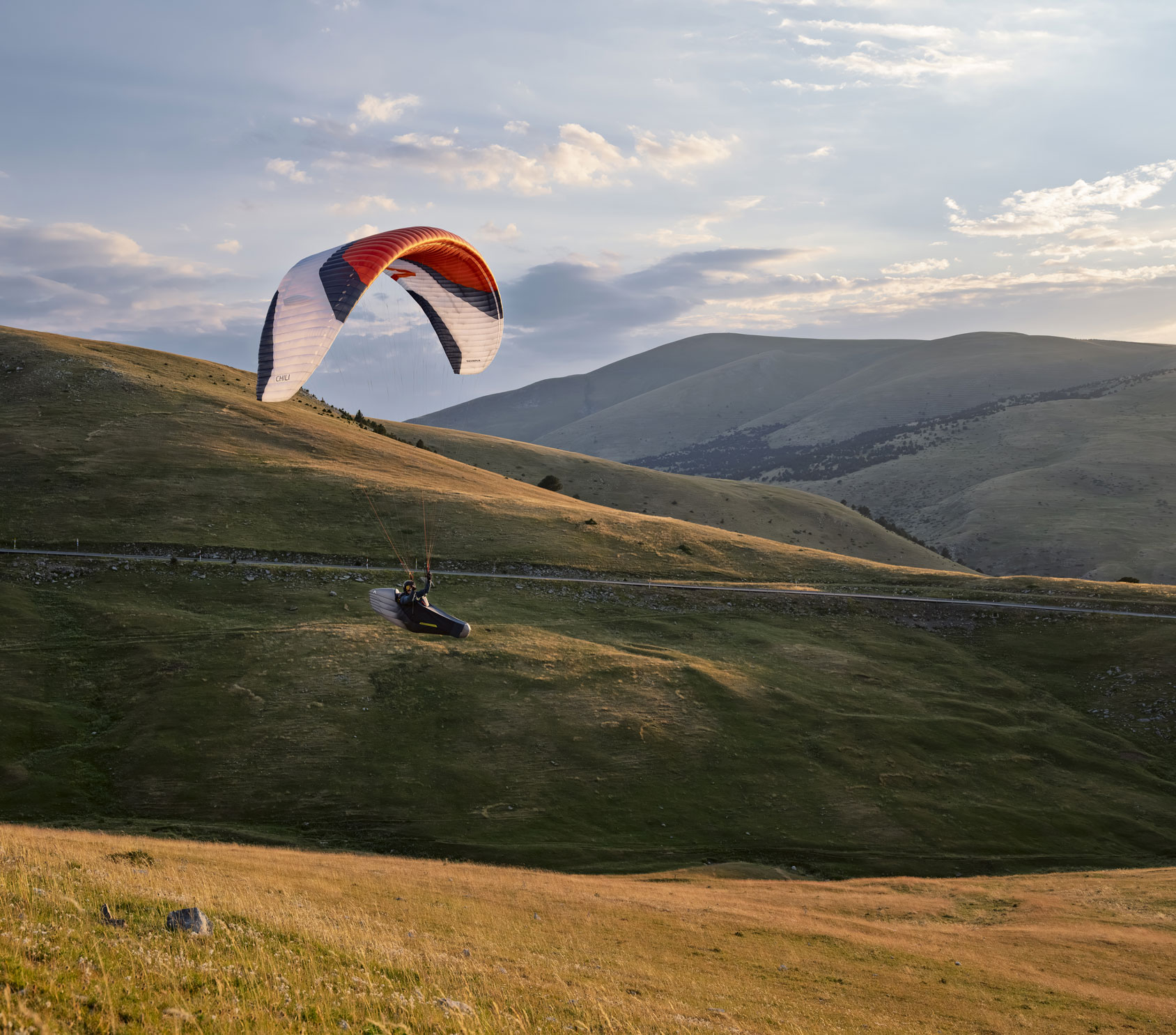
Avec la CHILI6, la gamme CHILI entre dans une nouvelle ère. Forte de son ADN éprouvé, elle repousse les limites de la performance grâce à des simulations de pointe, des tests intensifs et des décennies d’expertise en développement. Son concept à 2,5 lignes entièrement repensé, associé à un nouveau profil et à une construction de voile innovante, offre des performances nettement supérieures. Le résultat : une aile de cross-country qui allie performance, confort et précision, tout en conservant un comportement en vol remarquablement intuitif.
Notre objectif n’était pas simplement de créer une aile plus rapide, mais de concevoir une voile qui aide les pilotes à exploiter pleinement leur potentiel. Grâce à la grande stabilité de son profil, la CHILI6 limite les corrections nécessaires en air turbulent, tout en offrant un retour d’information précis pour un pilotage actif et efficace. Résultat : une aile qui inspire confiance, réduit la charge mentale et permet de se concentrer sur l’essentiel : repérer les thermiques, choisir les bonnes lignes et affiner sa stratégie de vol. Avec la CHILI6, profitez de vols cross-country plus sereins, plus efficaces et toujours plus plaisants.
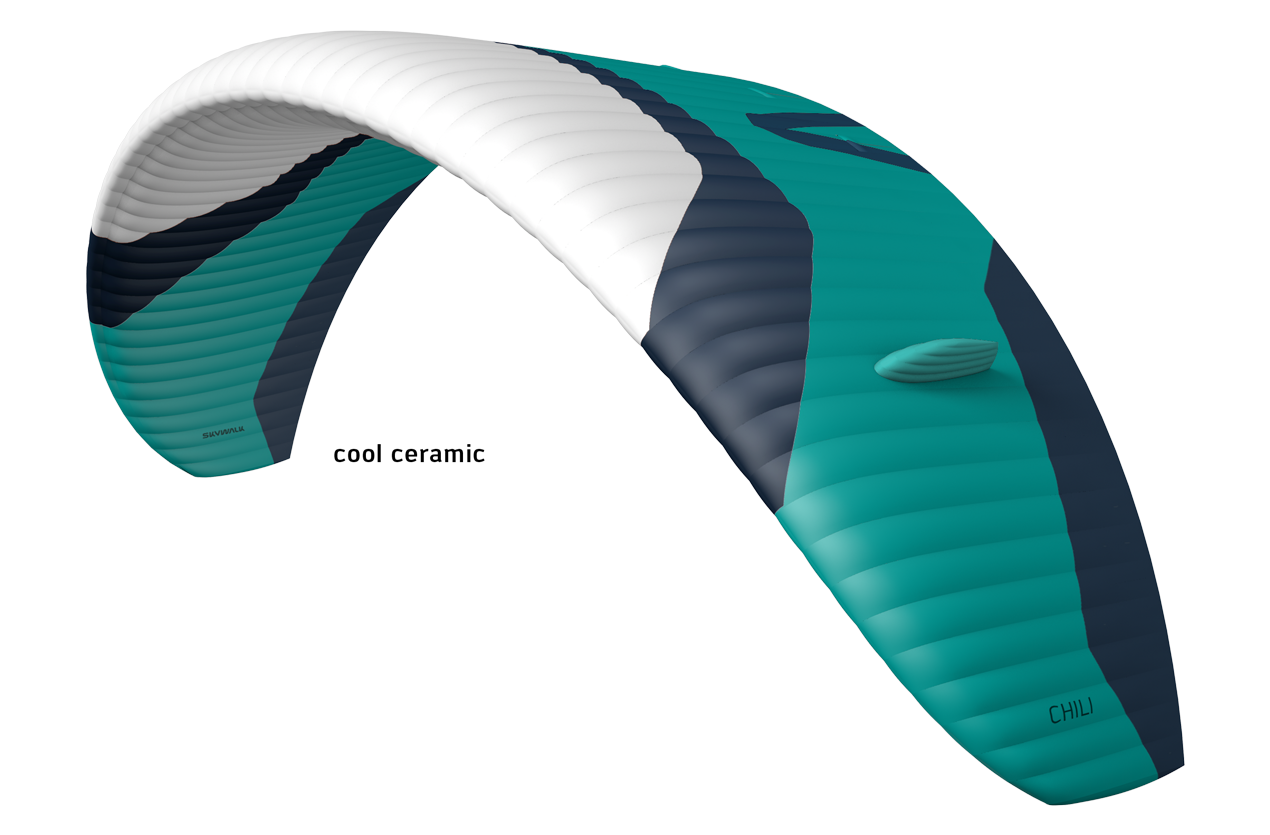
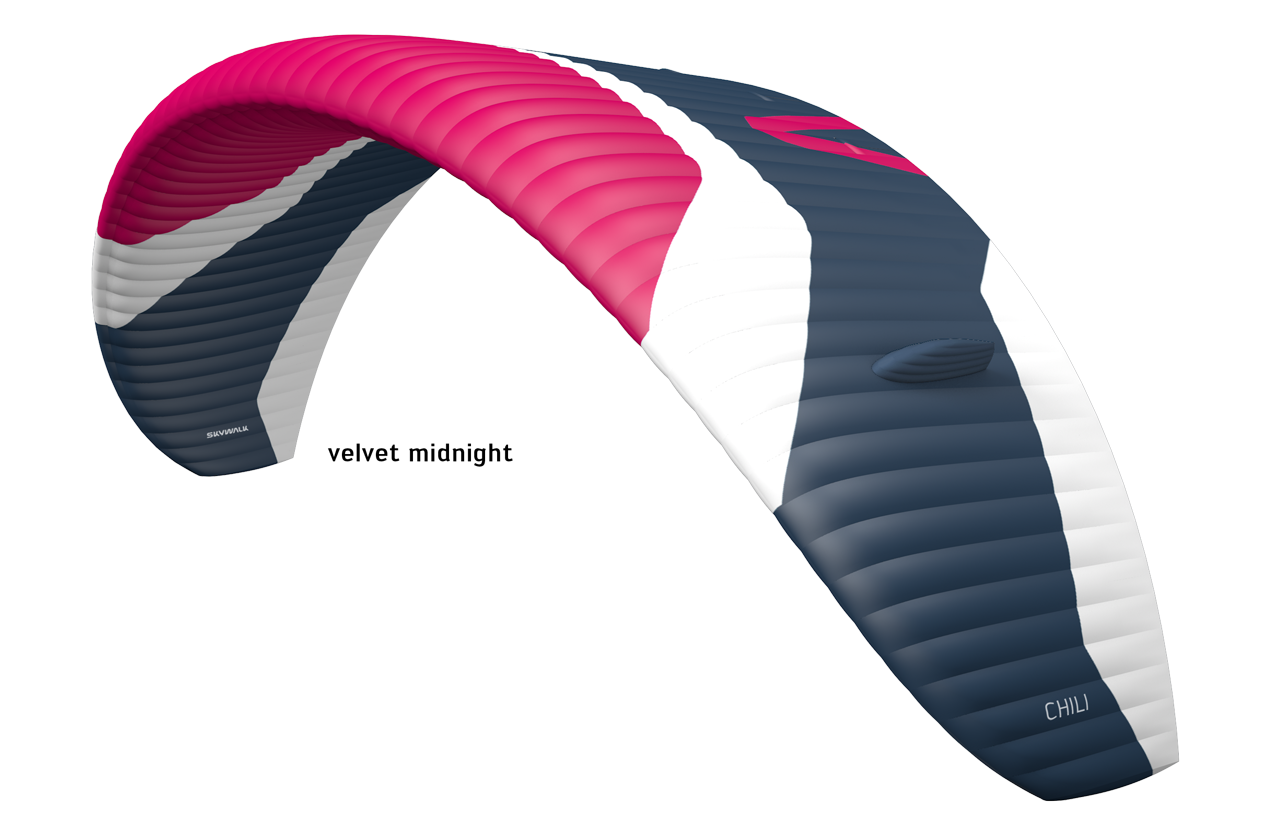
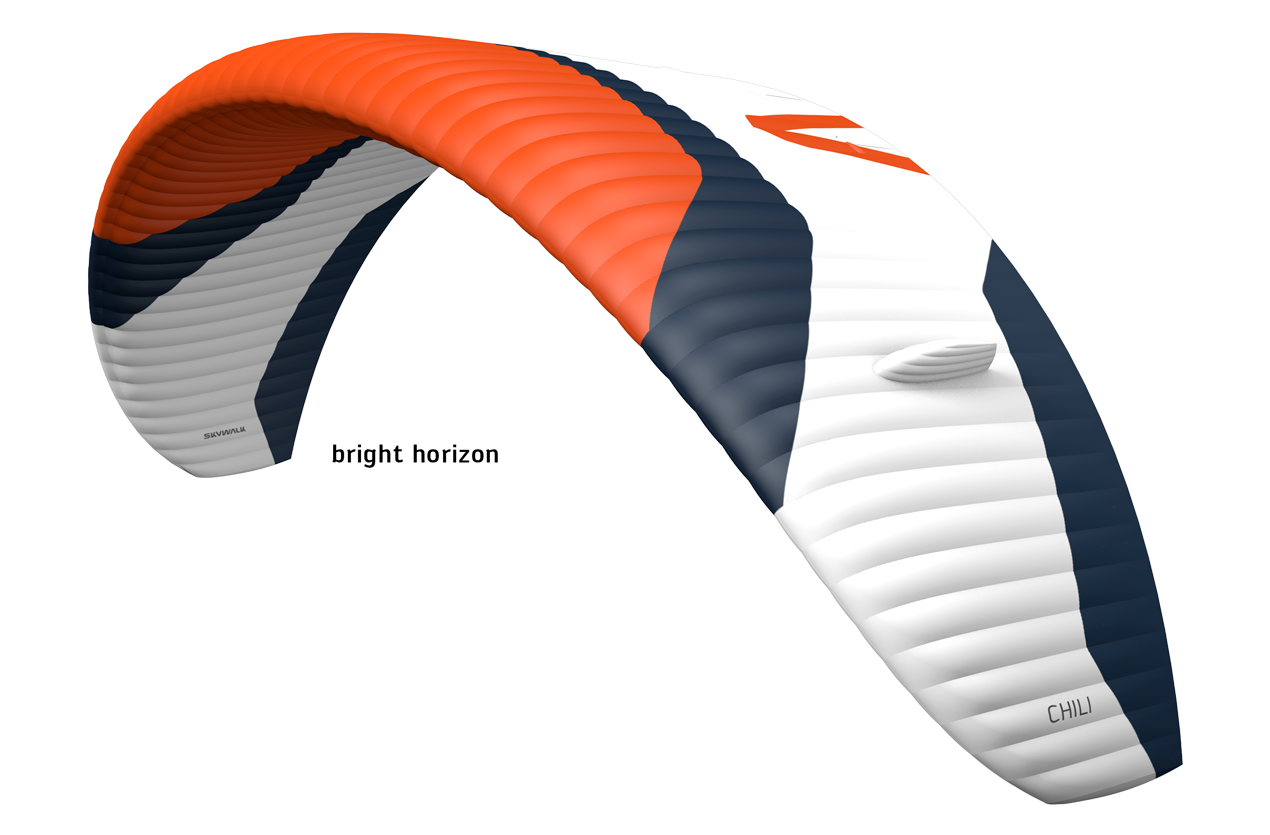
Une technologie de pointe associée à l’ADN éprouvé de CHILI.
Découvrez une nouvelle dimension de performance, de confort et de potentiel en cross-country.
Caractéristique de vol
Dès le premier vol, la CHILI6 séduit par son effort à la commande équilibré et sa maniabilité intuitive, pour un pilotage fluide et sans fatigue, même sur les longues distances. Fidèle à l’ADN de la gamme CHILI, elle se place naturellement au cœur des thermiques et s’y centre avec précision et facilité, tout en offrant une excellente performance en montée.
C’est particulièrement dans les conditions exigeantes que la CHILI6 révèle tout son potentiel. Son nouveau profil et l’optimisation des tensions de la voile lui confèrent une stabilité structurelle remarquable. Elle absorbe efficacement les turbulences et limite les mouvements de tangage et de roulis, offrant ainsi un vol plus serein et rassurant, tout en réduisant la charge de travail du pilote. En parallèle, la CHILI6 transmet des informations précises et équilibrées sur la masse d’air. Elle permet ainsi de détecter plus facilement les thermiques, les ascendances et les zones turbulentes, pour mieux les anticiper et exploiter pleinement les conditions de vol.
C’est en transition que la CHILI6 révèle tout son potentiel. Son concept innovant à 2,5 lignes, avec trois niveaux de suspentage au centre et deux sur les extrémités de l’aile, combine l’efficacité et la précision d’une aile moderne à 2 lignes avec le confort et la tolérance d’une aile classique à 3 lignes. Associée au système SPEED CONTROL, elle offre en vol accéléré un pilotage confortable, précis et sans effort, comme jamais auparavant sur une CHILI. La CHILI6 s’impose ainsi comme le choix idéal aussi bien pour les pilotes de distance en quête de performance que pour ceux qui souhaitent franchir une nouvelle étape vers les ailes à 2 lignes.
Les winglets améliorent sensiblement la stabilité en roulis et la tenue de cap. En parallèle, des technologies avancées, telles que le double profilage 3D, un bord d’attaque optimisé avec des cordes supplémentaires, des mini-nervures et une architecture de suspentage allégée, réduisent la traînée et optimisent les performances de glisse.

JET FLAPS
Réserve de sécurité à la marge du décrochage, facilite la montée en thermique, particulièrement dans les thermiques étroits et puissants. Augmente le débattement aux commandes jusqu’au décrochage.
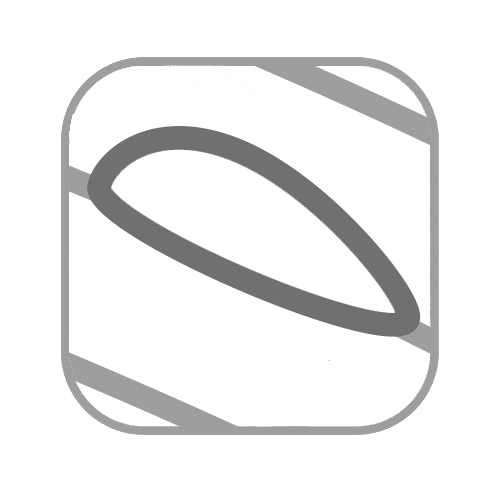
WINGLETS
Les ailettes améliorent la stabilité en roulis, facilitent le recentrage de la voile, optimisent la sortie de spirale et réduisent la traînée induite. Résultat : une sécurité accrue et un gain de performances notable.

RIGID FOIL
Plastique souple dans le bord d‘attaque, poids total réduit, préforme le profil, meilleure répartition de la charge. Améliore le décollage et les performances en vol.
SMART LINK SYSTEM
Les coutures des sangles sont identifiées par des couleurs afin de garantir qu’elles soient correctement assemblées et qu’elles ne soient pas tordues.
rouge = gauche, bleu = droite

SHARK NOSE
Assure une pression d’air constante en conditions turbulentes et en vol accéléré ; trainée réduite, meilleure pénétration et performances augmentées.

3D-SHAPING
Renfort additionnel, tenue en forme plus précise, trainée réduite, performances augmentées.
SPEED CONTROL
Poignée située sur les élévateurs arrières, pour permettre au pilote de gérer la turbulence, la vitesse et le tangage en vol accéléré sans avoir à relâcher l’accélérateur.
MINI RIBS
Alvéoles doublées dans le bord de fuite, profil plus stable, trainée réduite, performance augmentée.

SAND RELEASE SYSTEM 2.0
Le sable ou autres saletés s‘écoulent automatiquement par des ouvertures cousues dans les stabilos, préservant les matériaux et augmente la sécurité en vol sur les dunes.
| Size | 75 | 85 | 95 | 105 | 115 | 125+ |
|---|---|---|---|---|---|---|
| Cell number | 62 | 62 | 62 | 62 | 62 | 62 |
| Area flat (m²) | 20.80 | 22.40 | 24.25 | 26.00 | 27.72 | 29.64 |
| Area projected (m²) | 17.65 | 19.01 | 20.58 | 22.07 | 23.53 | 25.16 |
| Wingspan flat (m) | 10.89 | 11.30 | 11.76 | 12.17 | 12.57 | 13.00 |
| Wingspan projected (m) | 8.70 | 9.00 | 9.40 | 9.73 | 10.05 | 10.39 |
| Aspect ratio flat | 5.70 | 5.70 | 5.70 | 5.70 | 5.70 | 5.70 |
| Aspect ratio projected | 4.29 | 4.29 | 4.29 | 4.29 | 4.29 | 4.29 |
| Weight (kg) | 4.10 | 4.30 | 4.60 | 4.80 | 5.10 | 5.40 |
| Certified take-off weight (kg) | 55 - 75 | 65 - 85 | 75 - 95 | 85 - 105 | 95 - 115 | 105 - 130 |
| Homologation | LTF/EN B | LTF/EN B | LTF/EN B | LTF/EN B | LTF/EN B | LTF/EN B |
| Upper sail | Dominico TX-Light |
| Bottom sail | Dominico TX-Light |
| Profiles | Porcher Skytex 40 hard, Dominico TX-Light hard |
| Diagonals | Porcher Skytex 40 hard |
| Straps | Porcher Skytex 40 hard |
| Main lines | Edelrid 8001U - 280/230/190/130 |
| Middle lines | Edelrid 8001U - 190/130/90/50 |
| Top lines | Edelrid 8001U - 90/70/50 |
| Brake lines | Liros PPSL 120, Edelrid 8001U - 70/50, Liros DFLP 200/32 |
| Risers | Güth & Wolf 12mm webbing |
Qu'est-ce que le système Smart Link et comment fonctionne-t-il ?
Chaque sangle est dotée d’une couture colorée continue allant de la boucle d’accrochage jusqu’à la sangle en C. La couture rouge correspond au côté gauche et la couture bleue au côté droit. Cela permet d’accrocher les sangles du bon côté. De plus, tu vois immédiatement si la sangle est tordue. Les mêmes coutures marquées en couleur se trouvent également sur les nouveaux harnais skywalk, ce qui augmente encore la sécurité.
Quels sont les avantages du système SPEED CONTROL ?
Le SPEED CONTROL vous permet de compenser les turbulences en vol accéléré, de modifier l’angle d’attaque, d’ajuster la vitesse et de corriger la direction sans avoir à sortir de l’accélérateur. Cela permet un style de vol très efficace et rapide. Le SPEED CONTROL actionne simultanément les niveaux C et B afin d’éviter les déformations de la voile qui réduisent les performances, comme ce serait le cas si l’on tirait uniquement sur le niveau C.
À quoi dois-je faire attention lorsque j'utilise le SPEED CONTROL ?
- Le SPEED CONTROL ne doit être actionné que dans la mesure où les bloqueurs de cordes du niveau C ne sont pas tirés plus loin que les bloqueurs de cordes du niveau A.
- Veille à ce que la ceinture en C ne soit pas tirée vers le bas individuellement, mais que le renvoi complet soit actionné. Veille à ce que la ceinture en C ne soit pas tirée vers le bas individuellement, mais que le renvoi complet soit actionné.
- À vitesse de croisière, le SPEED CONTROL ne doit être utilisé qu’en tant que commande d’urgence. Le SPEED CONTROL ne remplace en aucun cas la poignée de frein.
Puis-je déclencher un « B-Stall » avec le CHILI6 ?
Avec le CHILI6, l’utilisation d’une configuration « B-Stall » n’est pas recommandée en raison de sa conception en 2,5 lignes. Pour perdre rapidement de l’altitude, effectuez les grandes oreilles ou engagez une spirale.
Puis-je simuler une fermeture asymétrique avec la CHILI6 ?
Grâce à son profil stable, la CHILI6 offre une excellente stabilité et un comportement en vol particulièrement tolérant. En conditions de vol réelles, les fermetures asymétriques restent ainsi généralement très modérés.
Lors de la simulation d’une fermeture asymétrique, il est essentiel d’agir progressivement et de manière contrôlée sur les élévateurs A, jusqu’à ce que la suspente A la plus extérieure se détende et que l’extrémité de l’aile se replie. Une traction trop rapide sur les élévateurs A peut provoquer, au relâchement, une réouverture dynamique de la voile accompagnée d’une forte abattée vers l’avant. Ce phénomène est appelé « réouverture brutale ».
Une prudence particulière est de mise en vol accéléré : toute action brusque est à proscrire. La simulation d’une fermeture asymétriques à pleine vitesse n’est pas recommandée avec la CHILI6. En raison de sa conception à 2,5 lignes et de sa grande stabilité, le déclenchement correct de cette manœuvre est exigeant. Elle ne doit être réalisée que par des pilotes disposant de l’expérience nécessaire.
Les joncs du parapente nécessitent-ils des précautions particulières lors de la manipulation ou du pliage de la voile ?
Lors du pliage et du rangement de la voile, il convient de manipuler avec précaution les joncs en plastique situés au niveau du bord d’attaque, afin d’éviter de tordre ou de plier les « Rigid Foils ». Toutefois, ces renforts étant relativement courts, l’utilisation d’un sac de pliage spécifique à caissons n’est pas nécessaire.
La CHILI6 est-il compatible avec le treuil ?
Oui, la CHILI6 est adaptée au remorquage par treuil. Veillez à ne décoller qu’à partir d’un treuil homologué, à angle plat par rapport au sol. Le pilote doit avoir suivi une formation valide au remorquage par treuil et s’assurer que l’opérateur du treuil a suivi une formation au remorquage incluant le parapente. Lors d’un remorquage par treuil, manœuvrez toujours avec délicatesse et évitez de freiner trop fort, car l’aile vole déjà avec un angle d’attaque accru. Nous recommandons l’utilisation d’une aide au remorquage.
Quelles sont la finesse (L/D), l'assiette et les vitesses maximales ?
En règle générale, nous ne publions pas de données sur les performances, car la diffusion de telles informations ne serait pas considérée comme fiable pour les raisons suivantes :
1. La différence entre une sellette et une position assise aérodynamiquement favorables et défavorables peut complètement changer la finesse.
2. Les performances augmentent avec la taille du parapente. Un parapente plus grand est toujours plus performant que le même parapente dans une taille plus petite.
3. En parapente, il n’y a pas de procédure standardisée pour mesurer les performances. Par exemple, la vitesse varie en fonction de l’altitude et de la pression atmosphérique associée, mais aussi en fonction du poids total du système. La tolérance d’erreur des instruments peut à elle seule fausser les calculs.
Comment calculer mon PTV ?
Le PTV est calculé en ajoutant le poids du pilote, vêtements compris, au poids de l’équipement. L’équipement se compose de la sellette, du sac de portage, du parachute de secours, du parapente lui-même, des instruments de vol et des autres objets que vous pouvez porter (casque, radio, instruments, etc.).
Puis-je raccourcir les suspentes de frein de mon parapente ?
Changer la longueur le la drisse de frein peut avoir un effet négatif sur les caractéristiques de vol et le comportement en cas incident de vol. Une voile a besoin d’un peu plus de longueur totale de freins lorsqu’il vole accéléré par rapport au vol bras haut. Si ce n’est pas le cas elle pourrait être freinée involontairement, ce qui entraînerait une perte de performance mais surtout des complications lors de manœuvres en dehors du domaine de vol comme par exemple de fermetures, de sorties de décrochage ou la gestion de mouvements de tangages.
Que sont les JET FLAPS et comment fonctionne ce système ?
Les JET FLAPS sont des volets à fente, comme ceux que l’on trouve sur les gros avions. Lorsque le parapente est freiné, l’air s’écoule à travers la voile et contourne à nouveau un profil aérodynamique. Cela allonge la course de commande et rend le décrochage plus doux.
Quels avantages m'offrent les JET FLAPS de ma voile skywalk ?
Vitesse minimale de vol réduite. La plage limite est plus large et plus facile à contrôler. Le pilote dispose de plus de temps pour réagir lorsqu’il atteint la plage limite.
Votre CHILI6 est livrée avec :
- 1x Inner bag for glider
- 1x Compression strap
- 1x Riser bag
- 1x BASIC GUIDE
- 1x Bandana
- 1x Sticker set
- 1x Self-adhesive repair patch